Kegel Exercises


One of the most important pillars in women’s health is prevention—yet it is often overlooked, especially in areas that are not openly discussed.
During my time in the urogynaecology clinic, I am often struck by a deep sense of heaviness. I encounter women who are otherwise healthy, yet living with a significantly reduced quality of life due to conditions such as Pelvic Organ Prolapse (when the womb or bladder drops down into the vagina) and Urinary Incontinence (leaking urine with urge or strain)
These women are not distant cases , they are part of our everyday lives.
They sit next to us in taxis.
They are in our communities.
What makes these conditions particularly challenging is that they are often hidden. Many women suffer in silence, some relying on adult diapers, others needing to physically support their bodies throughout the day. The emotional and physical burden is immense, yet rarely spoken about.
Understanding the Cause
A significant contributor to these conditions is pelvic floor muscle weakness.
This weakness can be influenced by several factors:
* Age (natural muscle weakening over time)
* Multiple pregnancies or vaginal deliveries
* Tears or episiotomies during childbirth
* Increased abdominal pressure (e.g., constipation, obesity, chronic cough)
* Smoking
While some risk factors cannot be changed, many can be managed or mitigated.
Why Prevention Matters
In clinical practice, one of the first-line management strategies for many of these patients is pelvic floor strengthening through Kegel exercises.
But this raises an important question:
Why do we wait until symptoms develop?
Kegel exercises are commonly introduced after childbirth but they should not end there. Instead, they can be incorporated into a woman’s routine as a preventative lifestyle habit.
The goal is simple:
* Strengthen pelvic muscles early
* Maintain that strength over time
* Reduce the risk of future complications
Prevention in this context is not complex, it is consistent, intentional care.
How to Do Kegel Exercises
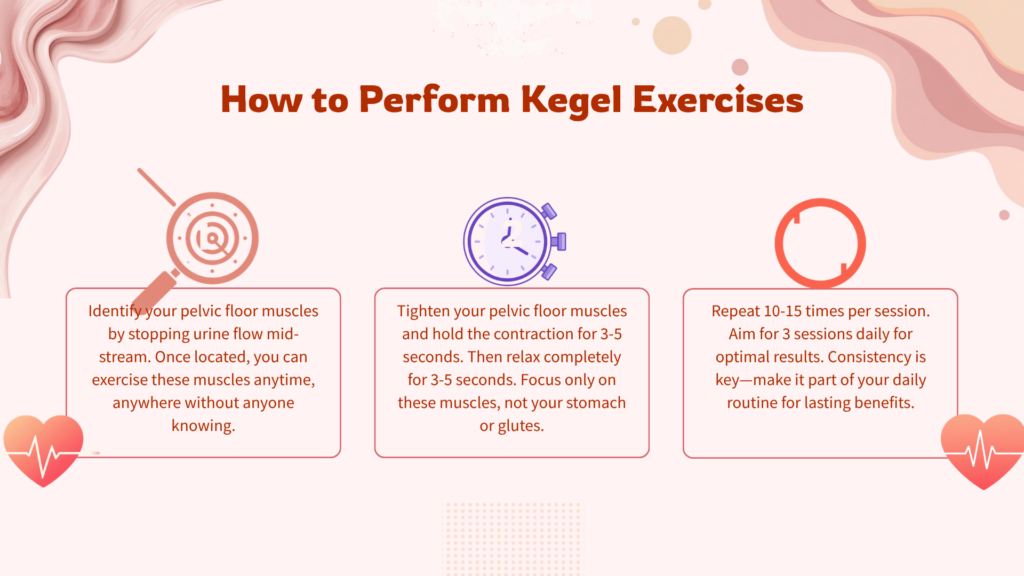
Step 1: Identify the right muscles
Imagine trying to stop passing urine or gas.
The muscles that tighten are your pelvic floor muscles.
Step 2: Practice the exercise
1. Get into a comfortable position (sitting, lying down, or standing)
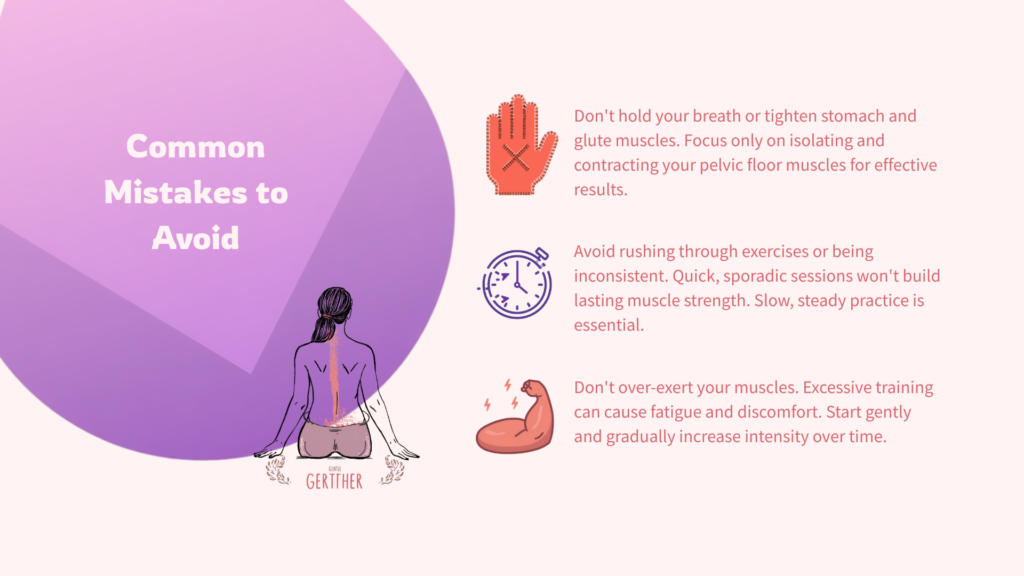
2. Tighten your pelvic floor muscles (lift internally—avoid tightening your thighs, abdomen, or buttocks)
3. Hold for 3–5 seconds
4. Relax for 3–5 seconds
5. Repeat 10–15 times
Step 3: Build consistency
*for now i will say , each time you go for that gym set , remember to add kegels too.
With time, this becomes effortless an exercise you can do anytime, anywhere.
As we commit to making exercise part of our women’s health vision, let us not overlook this less spoken yet essential aspect of our well-being.
Kegel exercises may seem small but their impact on quality of life is profound.
Stay empowered.
Stay informed.
And be intentional about your health because prevention is always better than cure.
Be unstoppable, EPIFEM Queen.
Did I start doing kegels? Haha I’m adjusting together with you and I have been learning .
Comment below, will you be starting too?
Love,
Dr Nshali